ABOUT US
Hi! We’re Polina, Alex, and our daughter Mia.
Three years ago, we moved to Portugal and instantly fell in love with this beautiful country. Since then, we’ve spent countless days exploring its cities, hidden corners, scenic viewpoints, beaches, and charming small towns. We love discovering places that don’t always make it into traditional travel guides.
We live in Porto, and over the years, we’ve come to know the city not just as visitors, but as locals. As photographers, we’re always searching for the most beautiful locations, the best light, and unique experiences worth sharing.
We created this guide to help you experience Porto beyond the typical tourist attractions. Inside, you’ll find our favorite places, practical tips, local recommendations, and everything we wish we had known when we first arrived.
We hope this guide helps you fall in love with Porto just as much as we did.
WHAT’S INSIDE THIS GUIDE?
• The must-see places in Porto and our favorite hidden gems
• Practical travel tips to help you save time and avoid common mistakes
• Our favorite cafés, restaurants, and local dishes to try
• The best areas to stay for every budget
• A ready-to-follow one-day itinerary
• Useful Portuguese phrases for everyday situations
• Our personal recommendations and local tips
• The best day trips from Porto, all within 1–1.5 hours
BEFORE YOUR TRIP
Porto is a beautiful and compact city, but there are a few things worth knowing before you arrive.
First of all, Porto is hilly. You’ll find steep streets, stairs and plenty of cobblestones, especially in the historic centre. Comfortable shoes will make a big difference, especially if you’re planning to explore the city on foot.
The good news is that most of Porto’s main sights are relatively close to each other, so you can see a lot without relying on public transport.
Our biggest tip? Don’t try to plan every minute of your trip. Leave some time to wander, stop for a coffee, enjoy the views and discover the smaller streets along the way. Some of the best parts of Porto are found when you simply take your time.
When to visit Porto
There really isn’t one perfect time to visit Porto — each season has its own charm.
Spring and early autumn are some of our favourite times. The weather is usually pleasant for walking and taking photos, and the city tends to feel a little less busy than in the middle of summer.
Summer brings long, sunny days and is the busiest season. It’s a great time for enjoying the riverside, beaches and outdoor cafés, but expect more tourists.
Autumn and winter are quieter and can be rainy, but Porto has a completely different atmosphere during these months. And yes, rainy Porto can actually be very beautiful — especially for photography. ☔️
Our tip: If you have some flexibility, consider visiting in May, June, September or October.
How many days do you need in Porto?
For a first visit, we recommend 3–4 days in Porto. This gives you enough time to explore the main sights without feeling like you’re rushing from one place to another.
With 3 days, you can explore the historic centre, walk along the Douro, visit Vila Nova de Gaia, enjoy Porto’s famous viewpoints and still have time to simply wander around the city.
With 4 days, you can take things a little slower, discover less touristy streets, enjoy long lunches and explore some of Porto’s neighbourhoods beyond the main attractions.
If you have 5–7 days, we recommend using Porto as a base for a few day trips. The Douro Valley, Braga, Guimarães and Aveiro are all great options and offer a completely different experience from the city.
Our tip: If you’re visiting Porto for the first time, give yourself at least three full days. Porto is best enjoyed without rushing.
What is the weather like in Porto?
Porto has a mild climate, but the weather can be a little unpredictable.
Summers are generally warm and dry, while autumn and winter bring more rain. Spring can be a mix of sunny, warm days and cooler, rainy ones.
One thing we always tell our clients: don’t trust the weather forecast too much when packing for Porto! 😄 It can change quickly, and the temperature can feel quite different depending on whether you’re in the sun, in the shade or near the river.
If you’re visiting outside summer, we recommend bringing layers and a light waterproof jacket.
And if it rains during your trip, don’t panic. Some of our favourite photos of Porto were taken on cloudy or rainy days.
What to pack and what to wear
If you remember just one thing, make it this: bring comfortable shoes!
Porto is beautiful, but those charming cobblestone streets and hills can be tough on your feet. You’ll probably walk much more than you expect.
We recommend:
- Comfortable walking shoes
- Light layers
- A waterproof jacket or small umbrella outside summer
- Sunglasses and sunscreen
- A hat in summer
If you’re planning a photo shoot with us, don’t worry about bringing anything special. We’ll help you choose locations and outfits that work beautifully with Porto’s streets and architecture.
And yes — you can absolutely look stylish and wear comfortable shoes 😉
Is Porto expensive?
Compared with many popular European cities, Porto can still be quite affordable.
You’ll find everything from inexpensive local cafés and traditional restaurants to more sophisticated restaurants and luxury hotels. Prices also vary depending on where you stay and what time of year you visit.
One of our favourite things about Porto is that you don’t need a huge budget to enjoy it. You can have a great coffee, try traditional Portuguese food, walk along the river and enjoy beautiful views without spending much money.
Our tip: For food, walk a few streets away from the busiest tourist areas. You’ll often find smaller, more traditional places with better prices.
What currency is used in Portugal, and do you need cash?
Portugal uses the euro (€).
You can pay by card in most hotels, restaurants, supermarkets, shops and cafés, so you don’t need to carry a lot of cash with you.
Still, it’s a good idea to keep a small amount of cash in your wallet. Some small traditional cafés, local businesses or markets may not accept cards.
If you need cash, ATMs are easy to find around Porto.
Our tip: Having around €20–30 in cash is usually enough for those little situations when a card isn’t an option.
Is Porto safe, and do you need travel insurance?
Porto is generally a safe city for tourists, but it’s still worth taking the usual precautions. Keep an eye on your belongings in crowded areas and on public transport, and avoid leaving valuables unattended.
Travel insurance isn’t required for every traveller, but it can be useful if something unexpected happens, such as a medical emergency, cancelled trip, lost luggage or travel disruption.
If you’re travelling from another EU country, don’t forget your European Health Insurance Card (EHIC) if you have one.
Our tip: Before your trip, check what your travel insurance covers and keep important documents and emergency contacts easily accessible. In case of an emergency, the European emergency number 112 works throughout Portugal.
What language is spoken in Porto?
The official language in Portugal is Portuguese.
You’ll find plenty of people who speak English, especially in hotels, restaurants and tourist areas, so you can easily travel around Porto without speaking Portuguese.
Still, knowing a few Portuguese words and phrases can make everyday situations easier — and locals always appreciate it when visitors make an effort.
👋 Basic phrases
Olá — Hello
Bom dia — Good morning
Boa tarde — Good afternoon
Boa noite — Good evening / Good night
Por favor — Please
Obrigado — Thank you (for men)
Obrigada — Thank you (for women)
De nada — You’re welcome
Desculpe — Excuse me / Sorry
Com licença — Excuse me
Sim — Yes
Não — No
Não percebo — I don’t understand
Fala inglês? — Do you speak English?
Não falo português — I don’t speak Portuguese
Pode repetir, por favor? — Could you repeat, please?
☕ In a café or restaurant
Uma mesa para duas pessoas, por favor — A table for two, please
Queria isto, por favor — I’d like this, please
O que recomenda? — What do you recommend?
A conta, por favor — The bill, please
Quanto custa? — How much does it cost?
Água, por favor — Water, please
Sem açúcar, por favor — Without sugar, please
Sem gelo, por favor — Without ice, please
🛍️ In a shop
Quanto custa? — How much does it cost?
Posso experimentar? — Can I try it on?
Tem outro tamanho? — Do you have another size?
Tem outra cor? — Do you have another colour?
Só estou a ver — I’m just looking
Aceita cartão? — Do you accept cards?
Getting around
Onde fica…? — Where is…?
Onde fica a est estação? — Where is station?
Onde fica a cas casa de banho? — Where is bathroom?
À direita — To the right
À esquerda — To the left
Em frente — Straight ahead
Perto — Near
Longe — Far
At the hotel
Tenho uma reserva — I have a reservation
O meu nome é… — My name is…
A que horas é o pequeno-almoço? — What time is breakfast?
Pode ajudar-me? — Can you help me?
Useful everyday phrases
Muito obrigado — Thank you very much (for men)
Muito obrigada — Thank you very much (for women)
Está bem — Okay / All right
Está tudo bem — Everything is fine / It’s okay
Claro — Of course
Talvez — Maybe
Até logo! — See you later!
Adeus! — Goodbye!
🇵🇹 One thing to remember
European Portuguese can sound quite different from the Portuguese you may have heard in Brazil. Some words are pronounced much more quickly and some sounds are reduced, so don’t worry if Portuguese sounds difficult to understand at first.
Even learning just a few phrases like “Bom dia”, “Por favor”, “Obrigado/a” and “Desculpe” will be useful during your trip — and locals will appreciate the effort. 😊
Do you need a visa to visit Portugal?
This depends on your nationality, the purpose of your trip and how long you plan to stay.
Citizens of the EU, Iceland, Liechtenstein, Norway and Switzerland can travel to Portugal with a valid passport or national ID card.
Many visitors from outside the EU can enter Portugal without a visa for up to 90 days within a 180-day period, but the rules depend on your nationality.
Visa and entry requirements can change, so we recommend checking the latest information for your country before booking your trip.
Our tip: Don’t leave this until the last minute. Check your passport validity and entry requirements well before your departure.
GETTING TO PORTO
Тут нужен небольшой текст
PORTO AIRPORT: WHAT YOU NEED TO KNOW
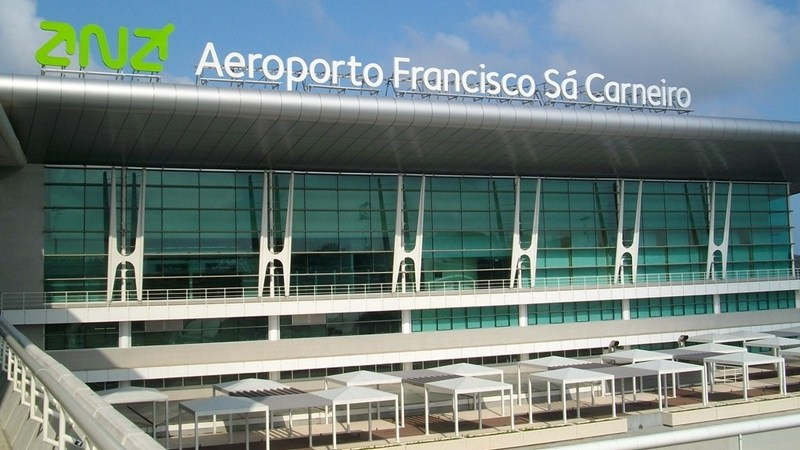
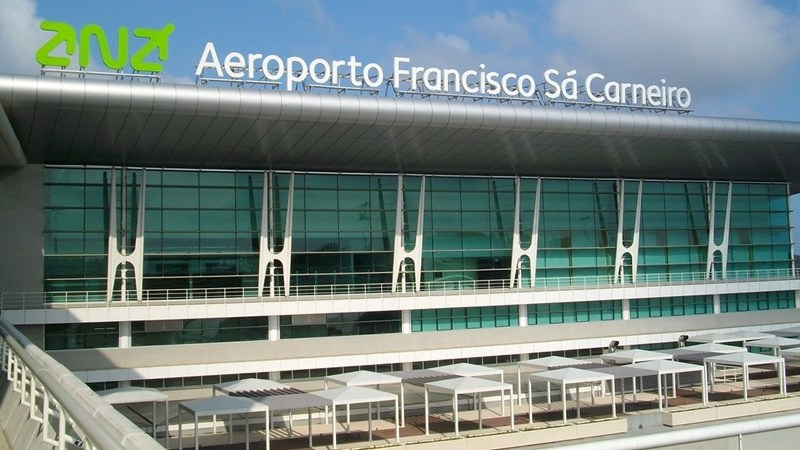
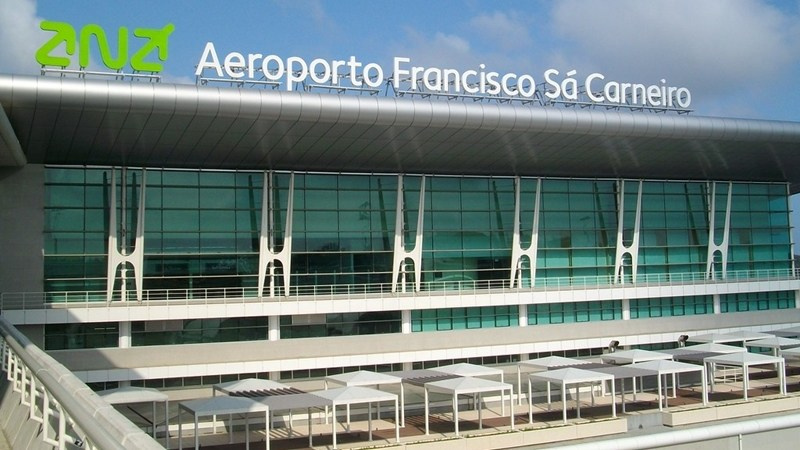
Francisco Sá Carneiro Airport (OPO) is located about 15 km (9 miles) north of Porto city centre. Getting into the city is quite easy, and you have two main options depending on how you’re travelling.
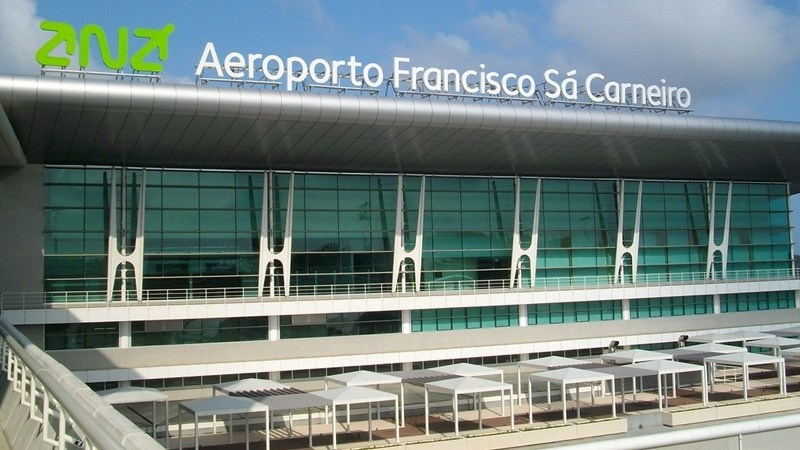
Option 1: Taxi or Uber / Bolt — best for families, heavy luggage or groups
Taking a taxi or ordering an Uber or Bolt is the most comfortable option, especially after a long flight. A ride to the city centre usually takes around 20–30 minutes. Uber and Bolt prices vary depending on traffic, demand and your exact destination, but you can check the current price directly in the app before booking.
When to choose it: If you’re travelling with heavy luggage, with children, or as a group of 2–4 people, this can be a very convenient option. Instead of carrying several suitcases through the metro and then up Porto’s steep streets, you can simply go directly to your accommodation.
Option 2: The Metro — best for solo travellers or light luggage
Porto’s Metro Line E (Purple Line) connects the airport directly with the city. The journey to Trindade, one of the main metro stations in the centre, takes around 30–35 minutes. Trains usually run every 20–30 minutes.
A standard airport journey is in Zone Z4 and costs under €3 per person, plus €0.50 for the reusable Andante card.
When to choose it: The metro is a great option if you’re travelling alone, on a budget, or with just a backpack or small suitcase. It’s straightforward, reliable and avoids traffic.
Keep in mind: During busy periods, the metro can get crowded. If you’re travelling with several large suitcases, getting through the stations and onto a busy train can be less comfortable than taking a car.
Our tip: If you’re travelling light, take the metro. If you’re travelling as a couple or family with several bags, check Uber and Bolt when you land — sometimes the difference in price is small enough to make the extra comfort worthwhile.
GETTING FROM LISBON TO PORTO
Many travellers visit both Lisbon and Porto during their trip to Portugal. Getting from Lisbon to Porto is easy, with several convenient options.
The most comfortable option is the train. CP operates both Alfa Pendular and Intercidades services between Lisbon and Porto. The fastest Alfa Pendular trains take around 2 hours 50 minutes, while Intercidades trains take a little longer. Trains usually depart from Lisbon Oriente or Santa Apolónia and arrive at Porto Campanhã.
For a more budget-friendly option, consider taking a bus. FlixBus and Rede Expressos operate frequent services between Lisbon and Porto, with journey times starting from around 2.5–3.5 hours depending on the service and traffic. FlixBus offers online booking through its website or app, while Rede Expressos is one of Portugal’s main long-distance bus networks.
Another option is renting a car, especially if you are planning to stop at other places along the way or continue travelling around Portugal. The journey between Lisbon and Porto is around 300 km and takes approximately 3 hours without stops.
TIP: For a simple Lisbon–Porto journey, check both CP trains and FlixBus / Rede Expressos before booking. Prices and schedules can vary depending on the date and how early you book.
SHOULD YOU RENT A CAR?
If you’re planning to stay in Porto and don’t intend to explore other regions, we don’t recommend renting a car.
Parking in the city centre can be difficult and expensive, and many streets are narrow, steep and paved with cobblestones. In most cases, it’s much easier to explore Porto on foot or use Uber or Bolt when you need a ride.
Porto does have buses and a metro, but public transport isn’t always the most convenient option, especially if you’re travelling as a couple or a group. Depending on the route, buying several bus tickets can sometimes cost almost as much as taking a quick Bolt directly to your destination.
However, if you’re planning to visit places such as the Douro Valley, Braga, Guimarães, Aveiro or the beaches outside Porto, renting a car can be a great option. It gives you much more freedom and makes it easier to reach smaller villages, viewpoints and places that aren’t well connected by public transport.
Our recommendation: Spend 1–2 days exploring Porto without a car, then rent one only for the days when you plan to travel outside the city.
Bonus tip: Manual transmission cars are much more common in Portugal and are often cheaper to rent. If you’re comfortable driving a manual, you can usually save quite a bit on your rental.
GETTING AROUND PORTO
Porto is a relatively compact city, and many of the main sights are within walking distance of each other. Walking is often the best way to explore — although be prepared for plenty of hills, stairs and cobblestones!
For longer distances, Porto has a good network of metro and buses. The same Andante ticket system is used across the metro, buses and some trains, and the price depends on the zones you travel through rather than the type of transport.
For occasional trips, a single ticket starts at €1.40 for Z2 and goes up depending on the number of zones. For example, a Z4 ticket costs €2.30. You can also buy 24-hour tickets, starting at €5.35 for Z2.
There is also the Andante Tour ticket, which is designed for visitors. It costs €7.75 for 24 hours or €16.55 for 72 hours and allows unlimited travel across the Andante network during its validity period. However, it doesn’t include Porto’s historic trams or the Guindais Funicular.
One important thing to know: you need to validate your Andante ticket every time you start a journey or change lines or transport. On the metro and trains, you’ll find validators at the stations; on buses, you validate when boarding.
Buses can be useful for reaching places that aren’t close to a metro station, but they can be slower because of traffic. The metro is generally easier to understand and is particularly useful for travelling between the airport and the city or getting around outside the historic centre.
That said, for most tourists, Uber and Bolt are often the easiest option for getting around Porto. They are widely used, usually easy to order through the app and especially convenient when you’re travelling as a couple or a group. If you’re already tired after walking all day, carrying shopping or luggage, or heading somewhere uphill, taking a car can save you quite a bit of time and effort.
And there’s another thing to keep in mind: Porto’s historic centre has many narrow, steep streets and pedestrian areas. A car may not be able to drop you directly at the entrance of your accommodation, so you may still have a short walk with your luggage.
Our tip: Walk whenever the distance is reasonable, use the metro when it makes sense, and don’t hesitate to order an Uber or Bolt for the rest. For two or more people, the price of a short ride can be surprisingly reasonable — and after a long day of exploring Porto’s hills, the convenience is often worth it.
WHERE TO STAY IN PORTO
Choosing where to stay in Porto can make a big difference to your trip. The city centre is compact, but Porto is very hilly, so staying in the right area can save you a lot of walking — especially with luggage.
For a first visit, we recommend staying somewhere around Baixa, Aliados, São Bento, Clérigos or Ribeira. You’ll be close to the main sights, restaurants and cafés, and you can explore most of the historic centre on foot.
If you prefer a quieter atmosphere, look at Cedofeita or Boavista. And if you want to be closer to the ocean, Foz do Douro is a great option, although it’s further from the historic centre.
Below, we’ve selected a few hotels in different price ranges — from simple and affordable places to luxury hotels and some more unusual stays.
Budget-friendly:
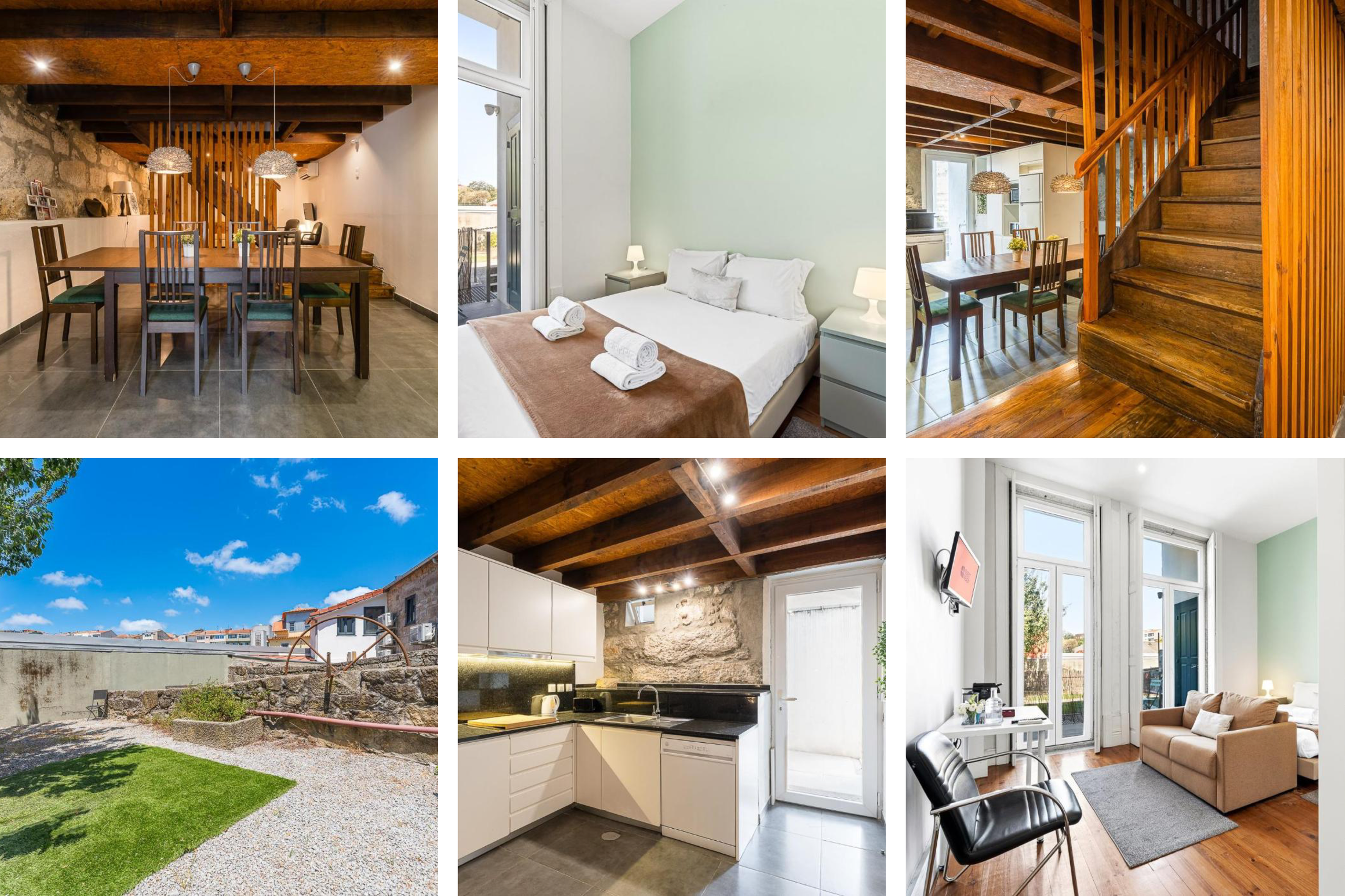
GuestReady — Porto Home GuestHouse
A great-value option in the heart of Porto, located in a beautifully renovated former cinema. The location is excellent for exploring the historic centre on foot, with São Bento Station and many major sights nearby.
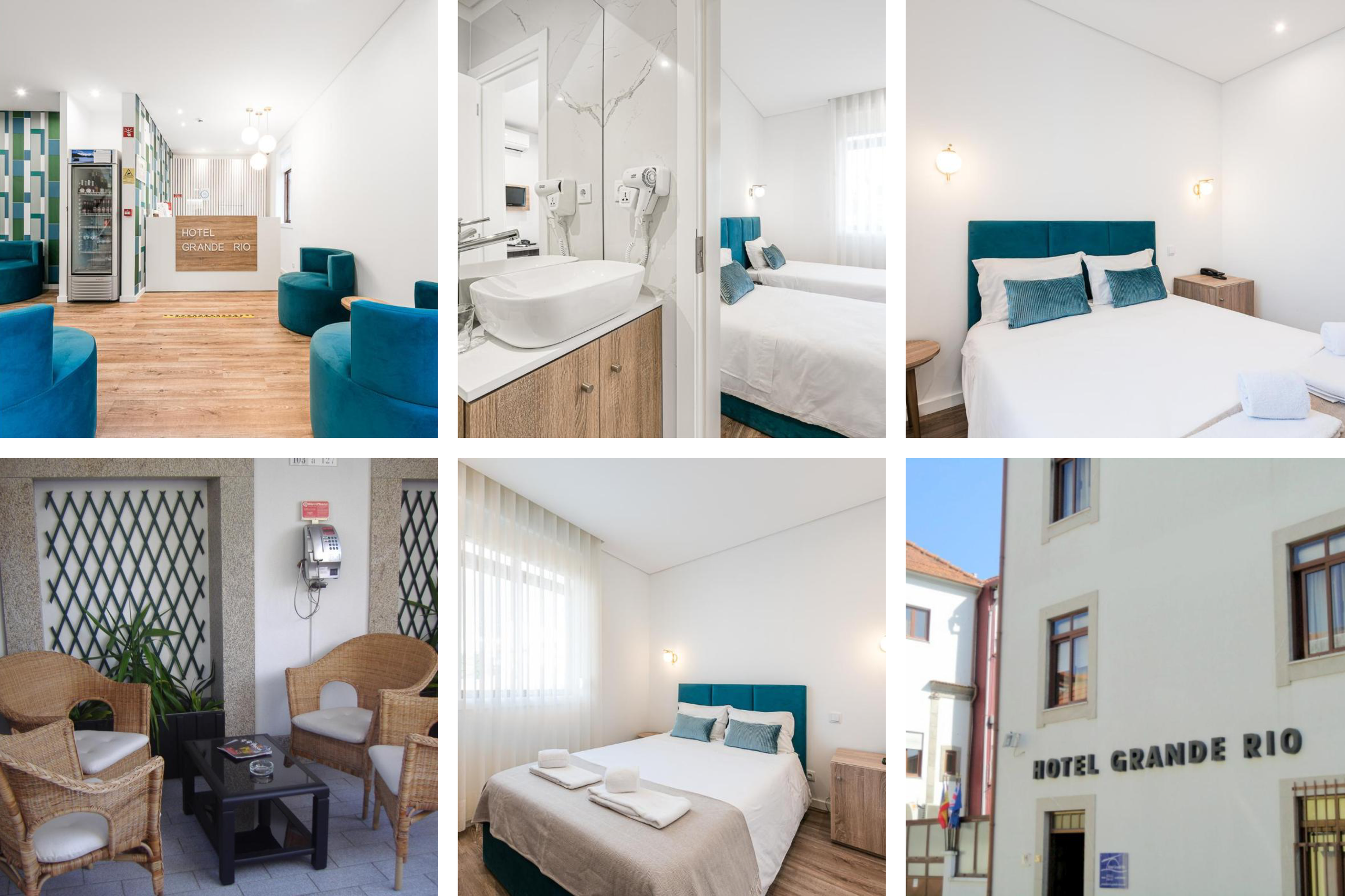
Hotel Grande Rio
A small, traditional hotel with a friendly atmosphere and affordable prices, located within walking distance of the city centre.
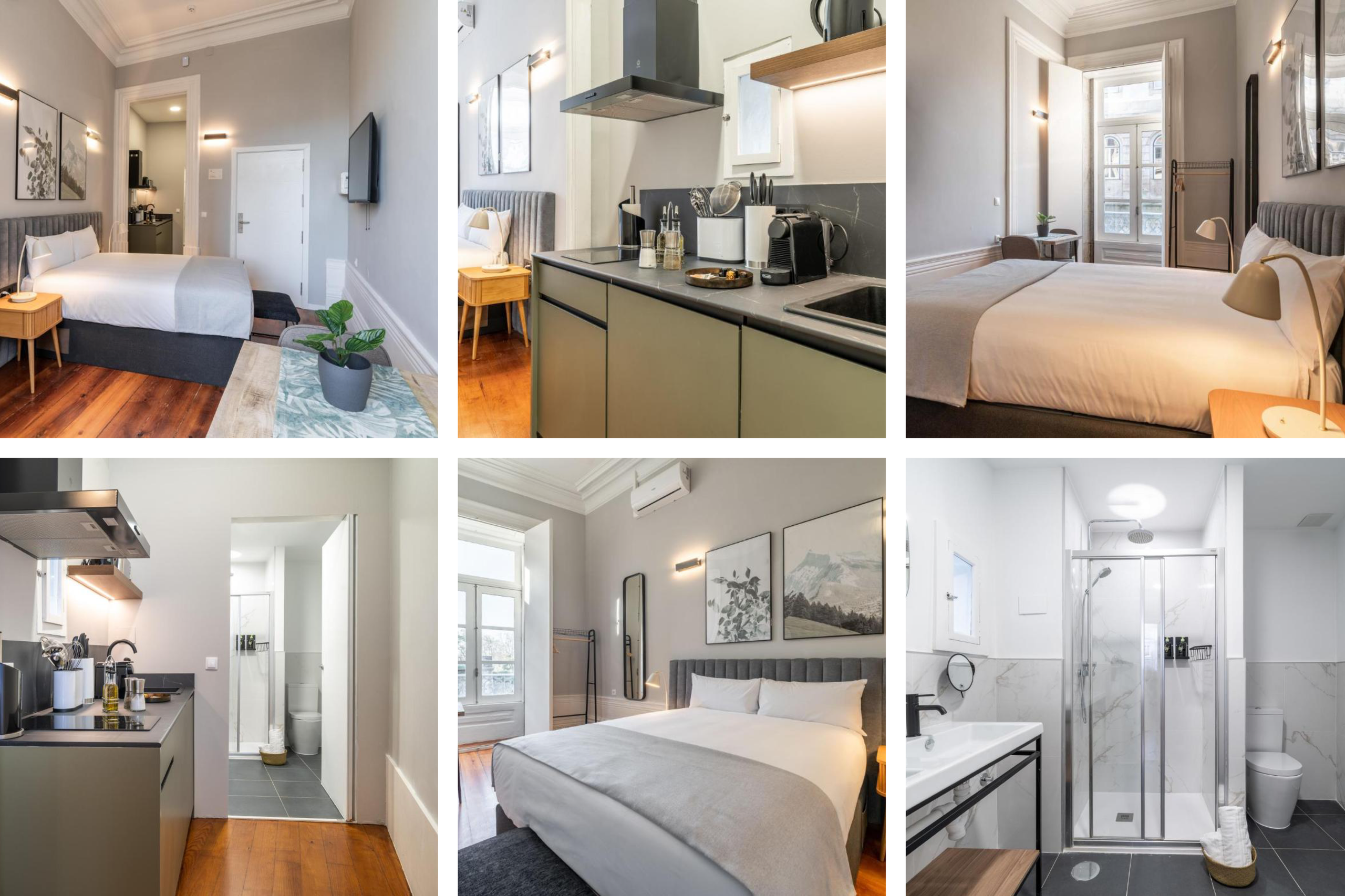
Limehome Porto Rua de Dom Manuel II
A modern apartment-style stay near Palácio de Cristal, offering spacious rooms and the convenience of having your own kitchen.
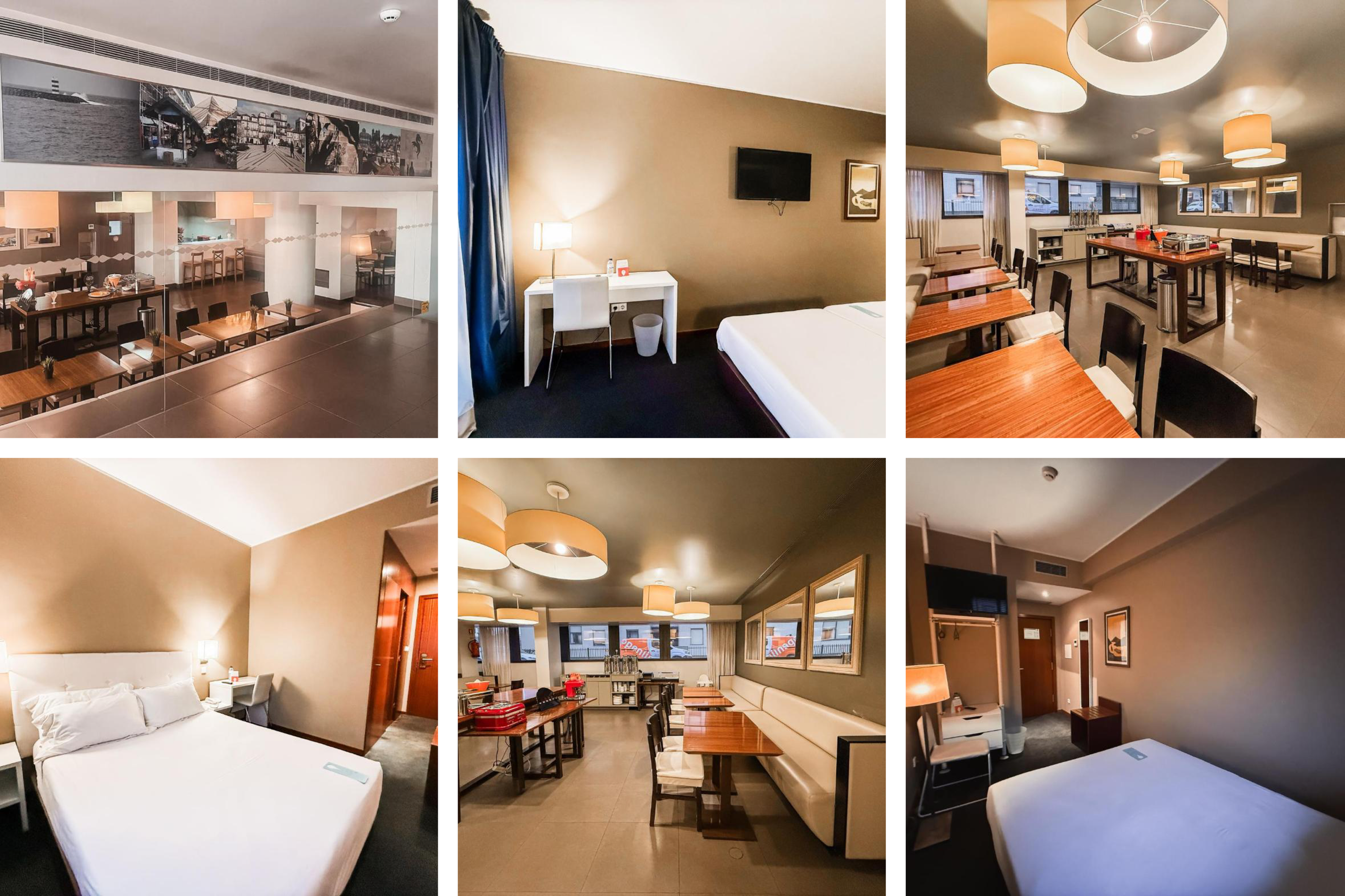
Stay Hotel Porto Centro Antas
A simple and comfortable hotel in a quieter area of Porto, offering good value and easy access to the city centre.
Mid-range:
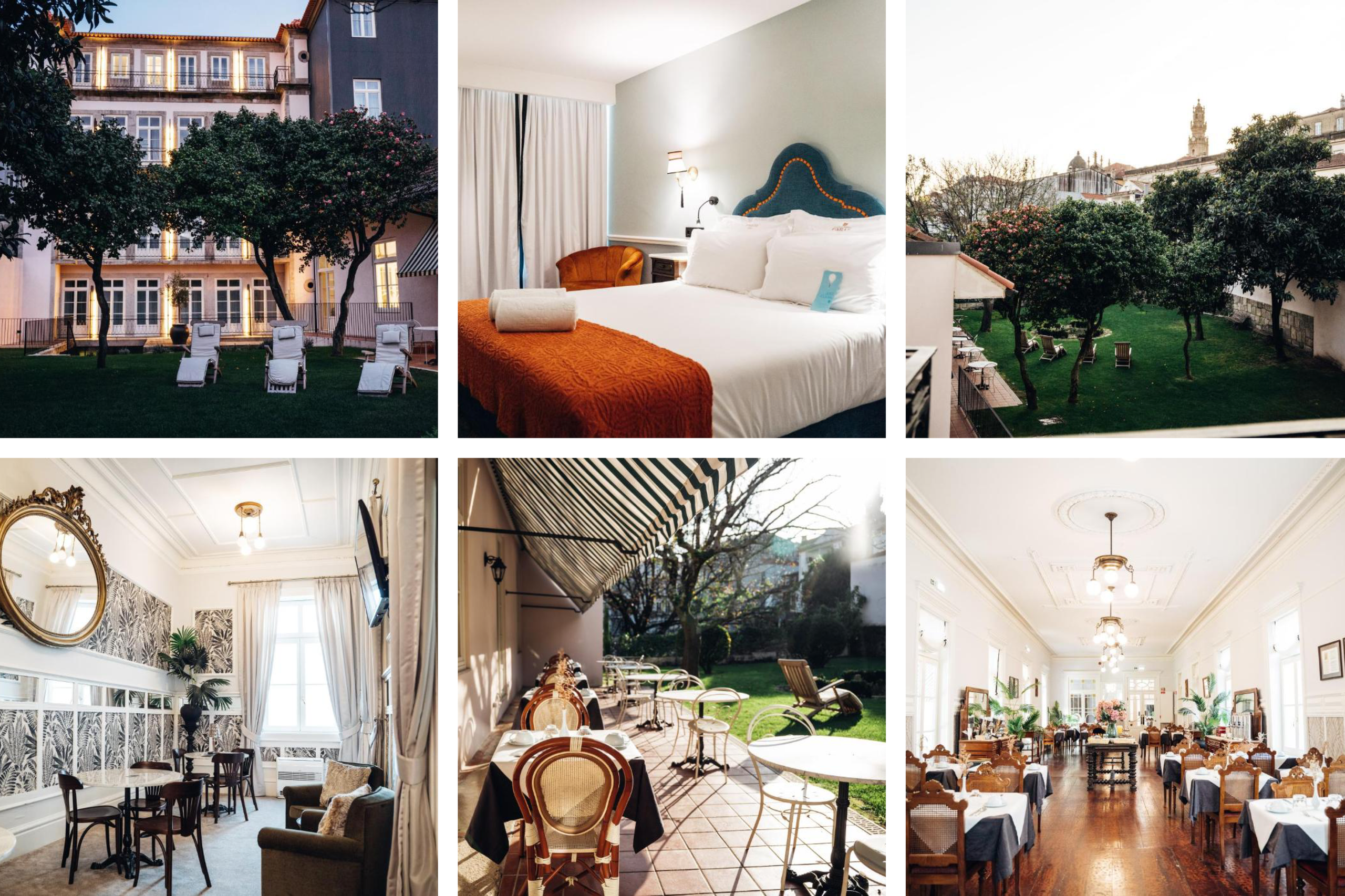
GRANDE HOTEL PARIS by STAY HOTELS
A charming historic hotel in the heart of Porto, combining traditional architecture with modern comforts and an excellent central location.
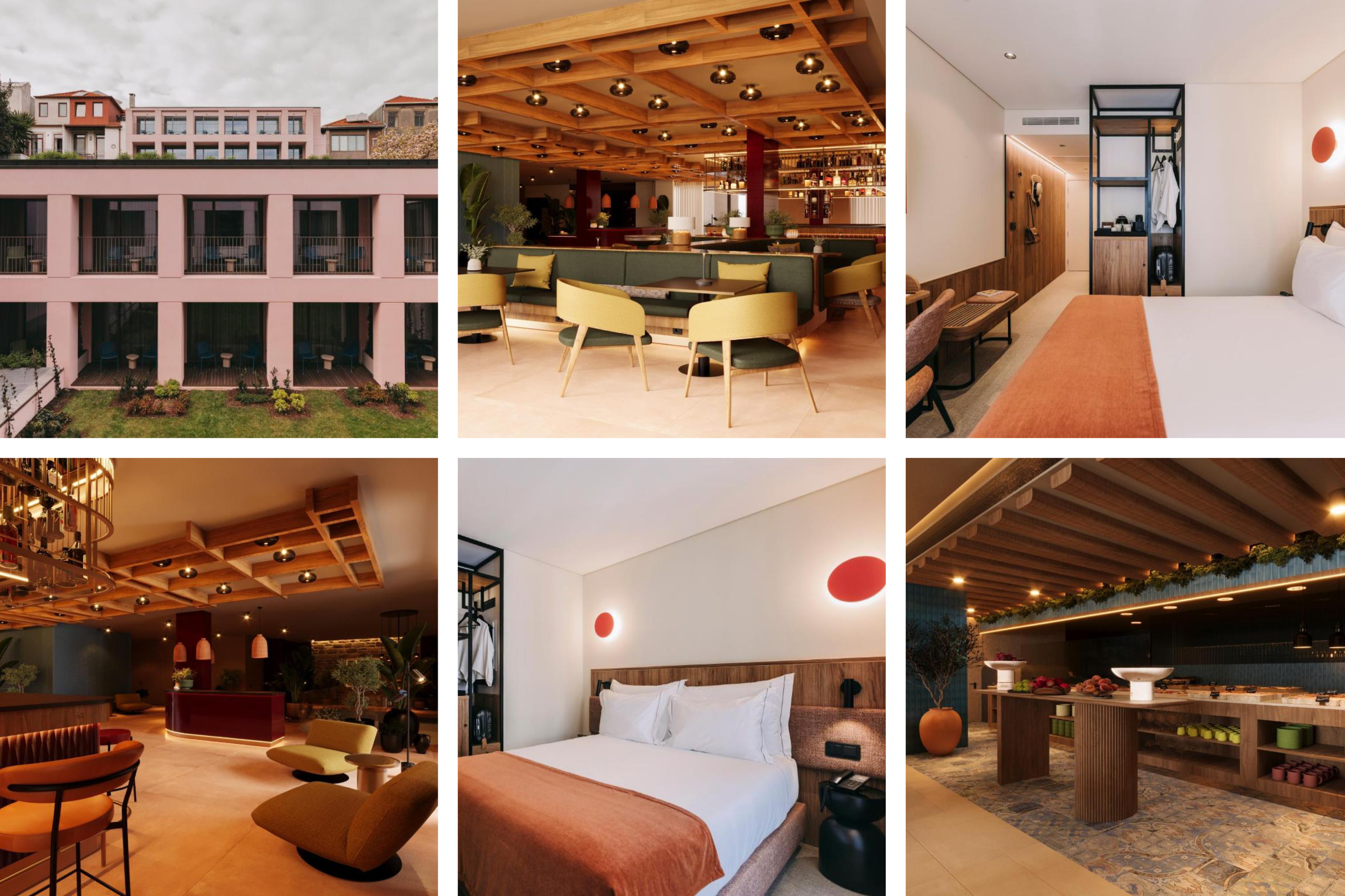
Hotels 705 O’Porto Hotel
A stylish hotel near Avenida dos Aliados, with modern rooms and a very convenient location for exploring Porto on foot.
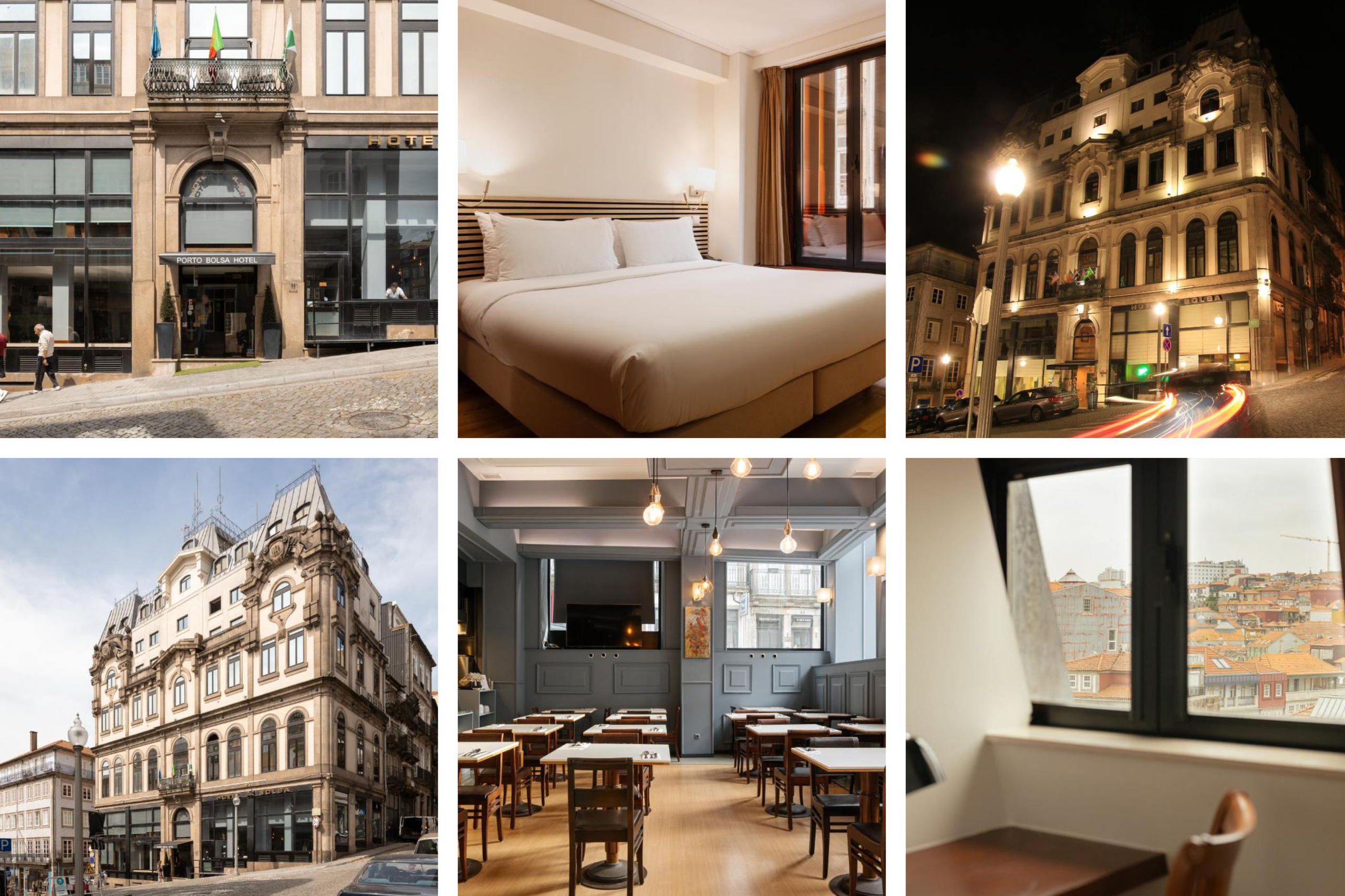
Hotel da Bolsa
A traditional hotel in the historic centre, just a short walk from Ribeira, Palácio da Bolsa and the Douro River.
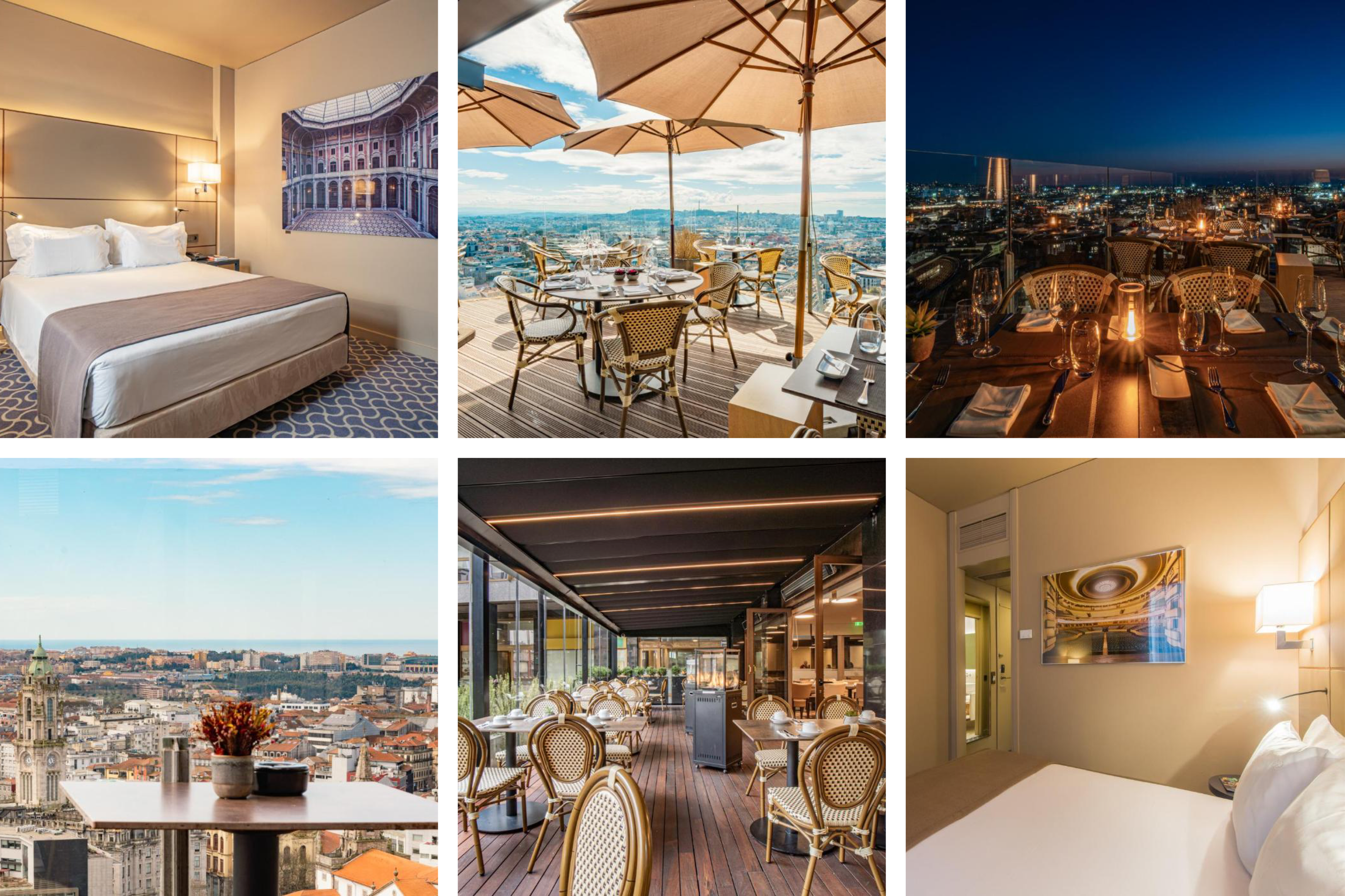
Hotel Dom Henrique — Downtown
A well-established hotel near Trindade, known for its central location, comfortable rooms and rooftop bar with panoramic views of Porto.
Luxury:
Подзаголовок
Это текстовый абзац. Нажмите на него и введите свой текст. Вы можете в любой момент вернуться к тексту и изменить его.
Подзаголовок
Это текстовый абзац. Нажмите на него и введите свой текст. Вы можете в любой момент вернуться к тексту и изменить его.
Подзаголовок
Это текстовый абзац. Нажмите на него и введите свой текст. Вы можете в любой момент вернуться к тексту и изменить его.
Подзаголовок
Это текстовый абзац. Нажмите на него и введите свой текст. Вы можете в любой момент вернуться к тексту и изменить его.

Francesinha (The Ultimate Porto Classic):
Porto’s legendary signature sandwich. It’s made with toasted bread, steak, ham, fresh sausage (chouriço), melted cheese, and a fried egg on top—all swimming in a thick, hot, beer-and-tomato-based sauce. Served with a mountain of French fries to dip in the sauce. It’s heavy, messy, and absolute comfort food.

Francesinha (The Ultimate Porto Classic):
Porto’s legendary signature sandwich. It’s made with toasted bread, steak, ham, fresh sausage (chouriço), melted cheese, and a fried egg on top—all swimming in a thick, hot, beer-and-tomato-based sauce. Served with a mountain of French fries to dip in the sauce. It’s heavy, messy, and absolute comfort food.

Francesinha (The Ultimate Porto Classic):
Porto’s legendary signature sandwich. It’s made with toasted bread, steak, ham, fresh sausage (chouriço), melted cheese, and a fried egg on top—all swimming in a thick, hot, beer-and-tomato-based sauce. Served with a mountain of French fries to dip in the sauce. It’s heavy, messy, and absolute comfort food.
🍽️ Café & Restaurant Opening Hours
Food culture in Portugal follows its own unique rhythm, and understanding local schedules will save you from standing in front of locked doors with an empty stomach!
The Breakfast Reality Check: If your idea of breakfast is a quick espresso and a pastry (pastéis de nata), you’ll do just fine anywhere. But if you’re used to a hearty, full-scale breakfast before noon, finding a place open early can feel like a quest! (Unless, of course, you’re one of those lucky people who skip breakfast entirely and run purely on coffee—in which case, Porto is your paradise). If breakfast isn’t included at your hotel or stay, we highly recommend popping into a local supermarket like Pingo Doce or Continente to grab your favorite morning essentials ahead of time.
Lunch & Dinner Windows: Traditional Portuguese restaurants don’t stay open all day. They typically open for lunch from 12:00 PM to 3:00 PM, then close their doors completely until dinner service starts around 6:00 PM or 7:00 PM (running until 10:00 PM or 11:00 PM). If you try to get a warm meal at 4:00 PM, most kitchens will be closed, so plan your meals around these windows!
Checking Weekly Schedules: Don’t assume every place is open seven days a week. Many local family-run spots and restaurants take their day off during the week (often on Mondays or Tuesdays). Before heading out to a specific place, always double-check their current hours on Google Maps and quickly skim the recent reviews—it’s the best way to make sure they’re open and that the food is genuinely worth your time!
💳 Cash, Cards & ATMs: What You Need to Know
While contactless payments and credit cards are widely accepted across Porto—especially in hotels, modern restaurants, and main tourist spots—Portugal still has a soft spot for cash.
Always Keep a Little Cash on Hand: Don’t be surprised if you run into small local taverns (tascas), souvenir stalls, or taxis that only take cash (or Portuguese Multibanco cards). Having around €20–30 in physical cash in your wallet will save you from awkward moments when paying for a quick lunch or a small snack.
The Golden Rule for Currency Conversion: If your card currency isn’t Euros (e.g., USD, GBP, BRL), payment terminals and ATMs will often ask if you want to be charged in your home currency or in Euros. Always choose EUR (Pay in Euros)! Selecting your home currency triggers something called Dynamic Currency Conversion (DCC), where the local bank sets an inflated exchange rate, adding hidden fees of up to 8–10%. Always let your own home bank handle the conversion.
Which ATMs to Use (and Which to Avoid!):
DO USE: MB (Multibanco) ATMs. These are official Portuguese bank machines (usually found near actual bank branches or built into walls in central streets). They don’t charge high sneaky commissions and offer the fairest conditions.
AVOID: Euronet ATMs. You’ll see these bright blue-and-yellow ATMs everywhere in heavy tourist areas. Try to avoid them unless it’s an emergency! They are notorious for high withdrawal fees, poor exchange rates, and aggressive conversion prompts.
✈️ Getting from the Airport to the City Center
Francisco Sá Carneiro Airport (OPO) is located about 15 km (9 miles) north of the city center. Getting into Porto is smooth and straightforward, and you have two main options depending on how you’re traveling.
Option 1: Taxi or Uber / Bolt (Best for families, heavy luggage, or groups)
Taking a taxi or ordering an Uber/Bolt is by far the most comfortable and stress-free way to arrive. A ride directly to the city center usually takes around 20–30 minutes and costs between €12–€18 (though prices can surge during peak hours).
When to choose it: If you’re traveling with heavy luggage, with kids, or in a group of 2–4 people. Considering that public transport tickets add up per person, taking a car often costs about the same while dropping you off right at your accommodation’s doorstep—saving you from hauling suitcases up Porto’s steep cobblestone streets.
Option 2: The Metro (Best for solo travelers or light luggage)
Porto’s Metro Line E (Purple Line) connects the airport directly to the city center (Trindade station) in about 30–35 minutes. It runs every 20–30 minutes, and a single ticket (Zone Z4) costs under €3 per person, plus €0.50 for the reusable Andante paper card.
When to choose it: If you’re traveling light with just a backpack or small carry-on, or traveling solo on a budget.
Keep in mind: During rush hours, the trains can get quite packed. Navigating a crowded carriage or squeezing through ticket gates with large, heavy suitcases isn’t the most pleasant start to a trip!
🍽️ Where to Eat & What to Try in Porto
Portugal is a true foodie paradise, but its culinary landscape changes dramatically depending on where you are. A general rule of thumb: the South loves its fish, while the North is all about hearty meats and comforting stews!
While coastal towns still serve incredible fresh seafood, Northern Portuguese cuisine is defined by rich flavors, generous portions, and traditional recipes meant to keep you satisfied after walking up and down Porto’s steep hills.
Must-Try Northern & Portuguese Dishes
Francesinha (The Ultimate Porto Classic): Porto’s legendary signature sandwich. It’s made with toasted bread, steak, ham, fresh sausage (chouriço), melted cheese, and a fried egg on top—all swimming in a thick, hot, beer-and-tomato-based sauce. Served with a mountain of French fries to dip in the sauce. It’s heavy, messy, and absolute comfort food.
Tripas à Moda do Porto: The dish that gave Porto locals their nickname (Tripeiros). It’s a slow-cooked, rich stew made with tripe, white beans, smoked sausages, and spices. It’s a true piece of local history for adventurous eaters.
Bacalhau (Salt Cod): Portugal’s national obsession. It’s said there are 365 ways to prepare it—one for every day of the year! In the North, look out for Bacalhau à Brás (shredded cod with fried potatoes, eggs, and olives) or Bacalhau com Natas (baked cod in a rich cream sauce).
Caldo Verde: A classic Portuguese soup originating from the North. Made with potatoes, thinly shredded galician kale, olive oil, and slices of smoky chouriço sausage. Simple, hot, and delicious.
Polvo à Lagareiro: Octopus baked in generous amounts of extra virgin olive oil and garlic, served with roasted crushed potatoes. Crisp on the outside, meltingly tender on the inside.
☕ Navigating Portuguese Coffee
If you order a “regular coffee” in Portugal expecting a 16-ounce drip coffee or a flavored latte, you’re in for a surprise! Traditional Portuguese coffee culture is fast, cheap (around €1–€1.50), and centers around strong, dark-roasted espresso.
Here is how to decode the local menu:
Um Café / Um Pingo / A Bica: A standard, dark, strong shot of espresso. If you just ask for “a coffee, ” this is what you’ll get.
Pingado: An espresso shot with just a drop or two of cold milk.
Garoto: An espresso shot topped with warm milk foam (similar to a macchiato).
Meia de Leite: Equal parts espresso and steamed milk served in a larger cup. This is the closest thing to a classic flat white or small latte.
Galão: Served in a tall glass, this is a shot of espresso filled up with lots of hot steamed milk. Ideal if you like a milky morning coffee.
Abatanado: An espresso diluted with hot water, served in a larger cup. This is the closest traditional equivalent to an Americano.
Café Cheio: An espresso pulled with a bit extra water so the cup is full to the brim.
☕ Specialty Coffee in Porto
To be completely honest, traditional Portuguese coffee at local corner cafés can be quite bitter and dark-roasted for modern coffee lovers. But if you’re used to specialty coffee, lighter roasts, and precise extraction methods, Porto has an incredible third-wave coffee scene with local roasteries that brew at a world-class level!
If you’re looking for everything from a perfectly balanced espresso or flat white to V60, Chemex, or pour-over filter coffee, here are our absolute favorites:
7g Roaster (Vila Nova de Gaia): In our opinion, the single best coffee spot in the region. Tucked away in a charming courtyard on the Gaia side of the river, they roast their own green beans on-site and offer exceptional pour-overs alongside a great brunch menu.
Von & Vonnie: A beautiful, cozy specialty coffee spot with incredible attention to detail, precision brewing methods, and outstanding pastries.
SO Coffee Roasters: Sleek, modern, and minimalist. They roast their own beans and have great locations right in the heart of the city—perfect for a quick, high-quality coffee break while exploring.
Senzu Coffee Roasters: Hidden in a quiet courtyard in the city center, this is a true sanctuary for coffee purists. Outstanding micro-lots, expert baristas, and fantastic filter coffee options.
🍽️ Our Personal Recommendations
These are the places we personally love and constantly recommend to friends when they ask us for something special:
Grottu: A unique concept that seamlessly combines delicious Italian pasta and artisan pizza with fresh Japanese dishes. Perfect if your group can’t decide between Asian food and hearty Italian comfort food!
Mikyo: An incredible Japanese fusion spot with super fresh ingredients, creative sushi rolls, and beautifully plated dishes in a refined, modern atmosphere.
Kitchens: A vibrant spot featuring a varied menu where the execution and food quality are simply mind-blowing—every single dish is prepared to perfection.
Tempêro D’Maria: An amazing Portuguese restaurant located right on the promenade along the water. Exceptional fresh seafood, classic meats, and a beautiful view to accompany your meal.
City Wok: A massive, high-end Asian buffet and wok restaurant. You pick your choice of raw seafood, meats, and fresh vegetables, and the chefs cook it right in front of you on a hot wok or teppanyaki grill.